
Men's Hi-Vis Jackets
-

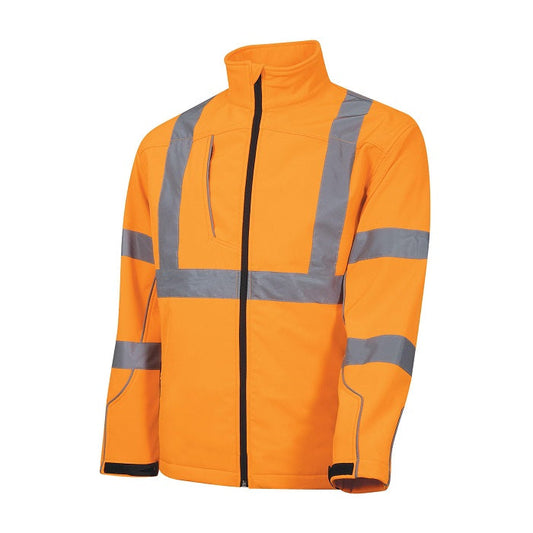
Tru Workwear TJ1960T5 Softshell Full Zip Jacket With Truvis Reflective Tape
Regular price $112.95Regular priceUnit price per -
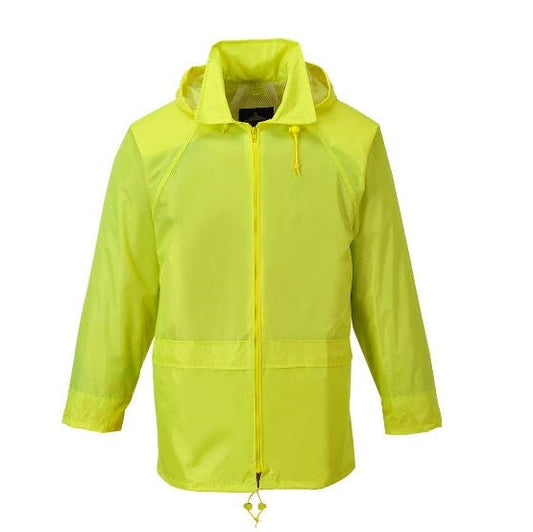
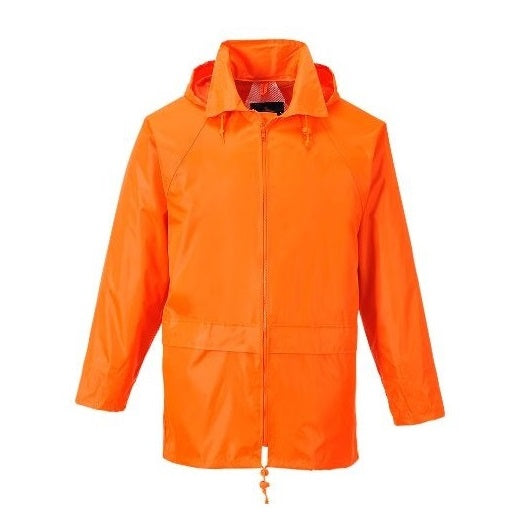
Portwest S440 Hi Vis Classic Rain Jacket
Regular price $26.95Regular priceUnit price per -

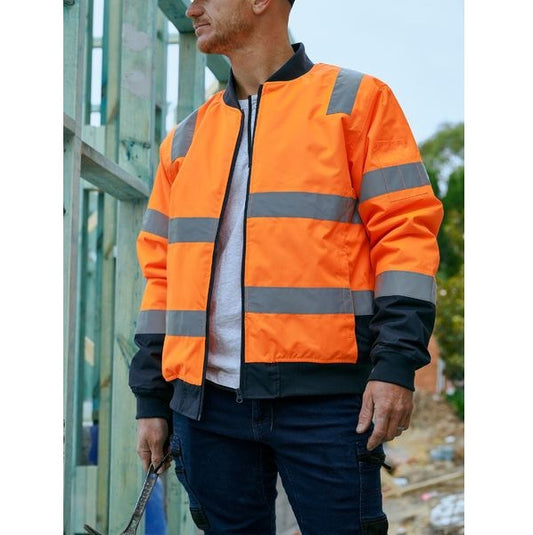
Bisley BJ6730T Taped 2-Tone HiVis Bomber Jacket
Regular price $71.95Regular priceUnit price per$90.95Sale price $71.95Sale -

Bisley BJ6919XT X Taped HiVis Drill Jacket With Liquid Repellent Finish
Regular price $105.95Regular priceUnit price per$134.95Sale price $105.95Sale -

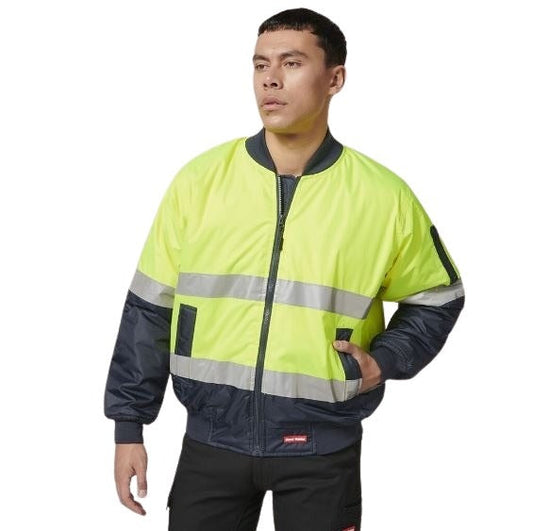
Hard Yakka Y06675 Core HiVis 2-Tone Taped Waterproof Bomber Jacket
Regular price $81.95Regular priceUnit price per$91.95Sale price $81.95Sale -

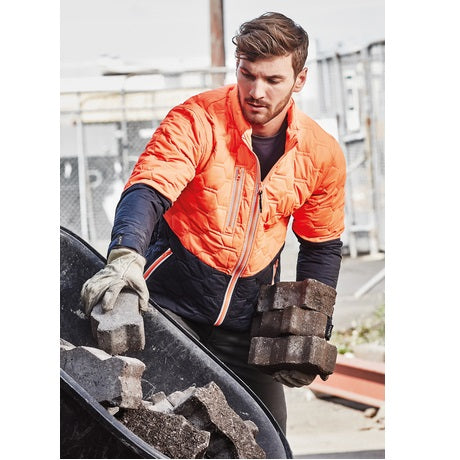
Syzmik ZJ420 Unisex Hexagonal Puffer Jacket
Regular price $72.95Regular priceUnit price per$81.95Sale price $72.95Sale -

KingGee K55805 HiVis Reflective Nano-tex Cotton Drill Work Jacket
Regular price $153.95Regular priceUnit price per$169.95Sale price $153.95Sale -
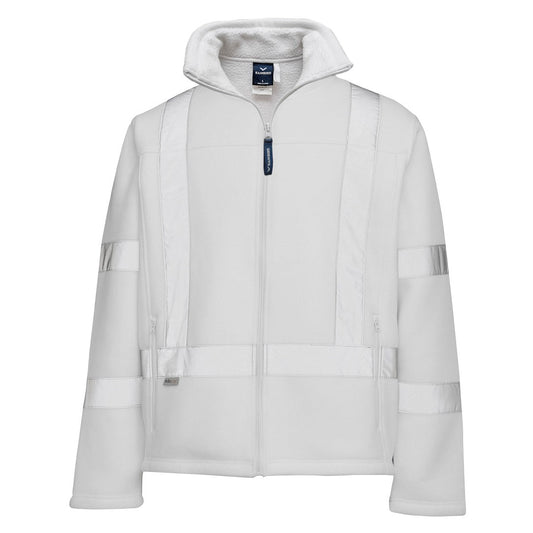
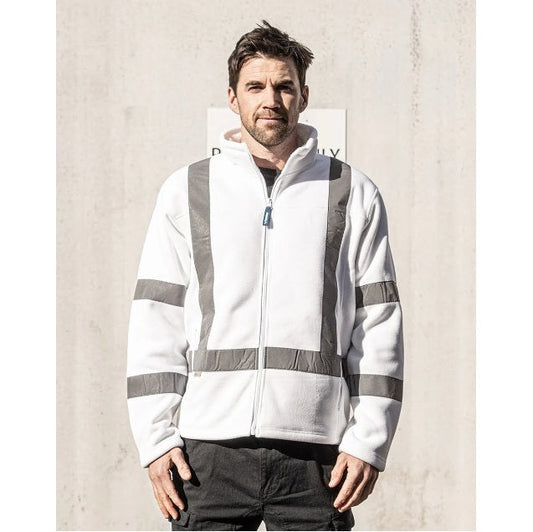
Rainbird 5239 Night Vis Lumber Jacket
Regular price $99.95Regular priceUnit price per$142.95Sale price $99.95Sale -

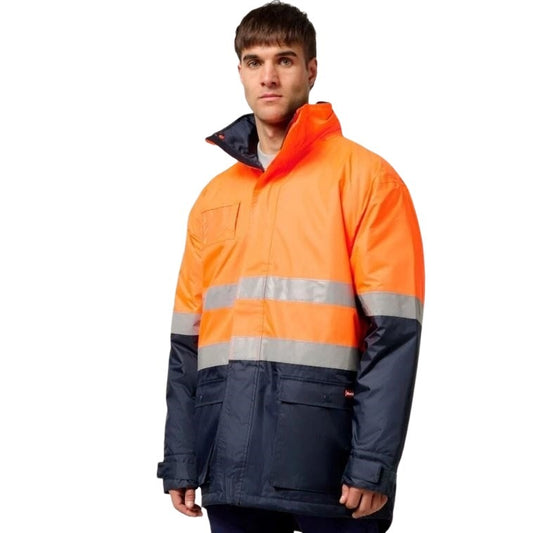
Hard Yakka Y06685 Core Hivis 2-Tone Taped Quilted Waterproof Jacket
Regular price $99.95Regular priceUnit price per$112.95Sale price $99.95Sale -
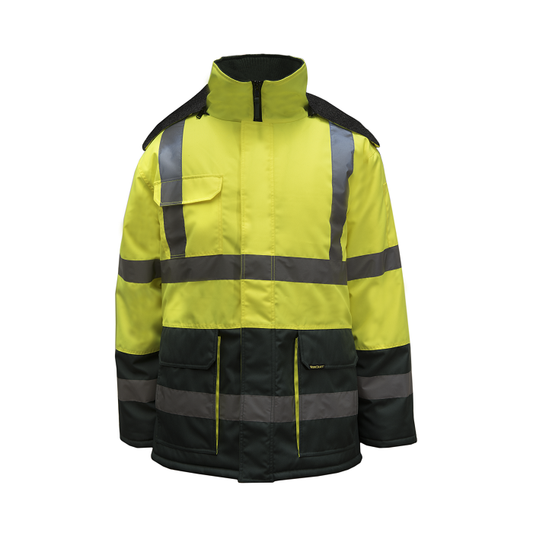
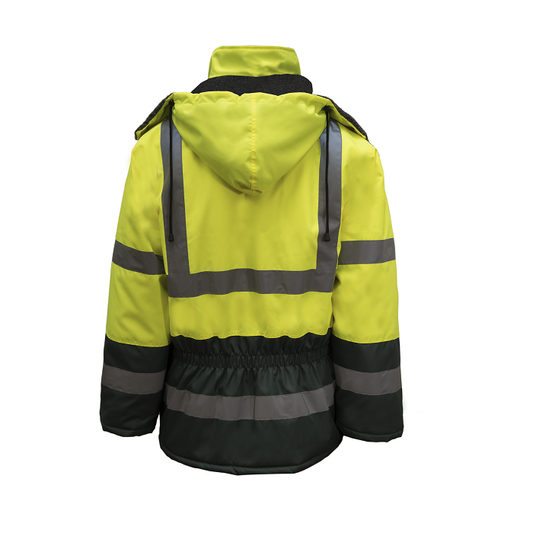
Workcraft WFJ001 2-Tone Freezer Jacket with Reflective Tape
Regular price $126.95Regular priceUnit price per$151.95Sale price $126.95Sale -

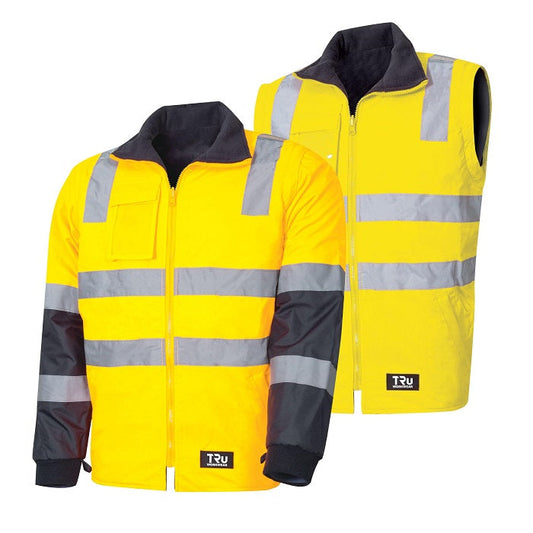
Tru Workwear TJ2945T4 Wet Weather Jacket With Removable Sleeves And Truvis Reflective Tape
Regular price $87.95Regular priceUnit price per -

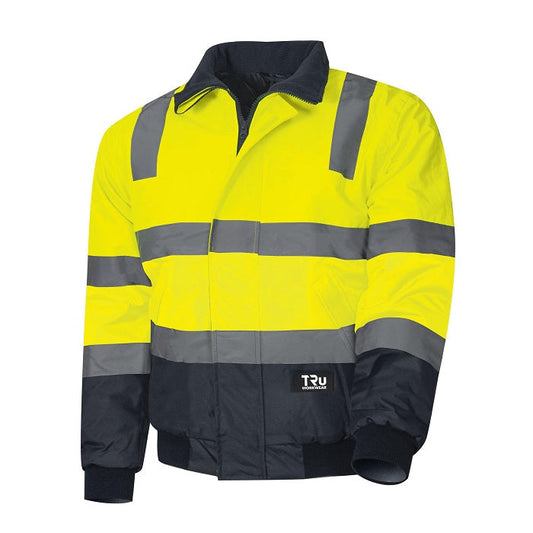
Tru Workwear TJ2946T4 Pilot Jacket With Truvis Reflective Tape
Regular price $87.95Regular priceUnit price per -

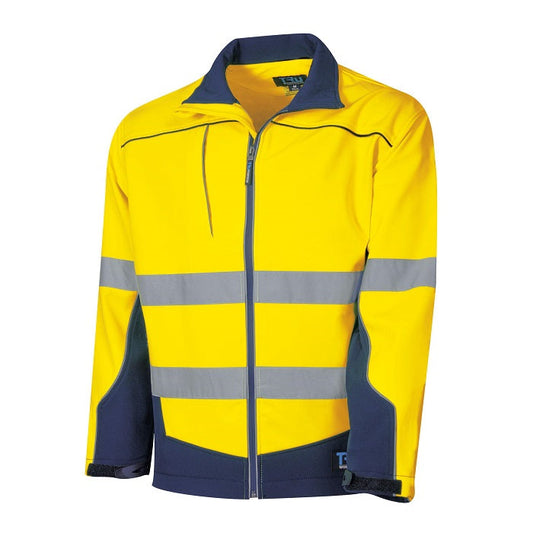
Tru Workwear TJ2960T1 Softshell Full Zip Jacket With Truvis Reflective Tape
Regular price $108.95Regular priceUnit price per -

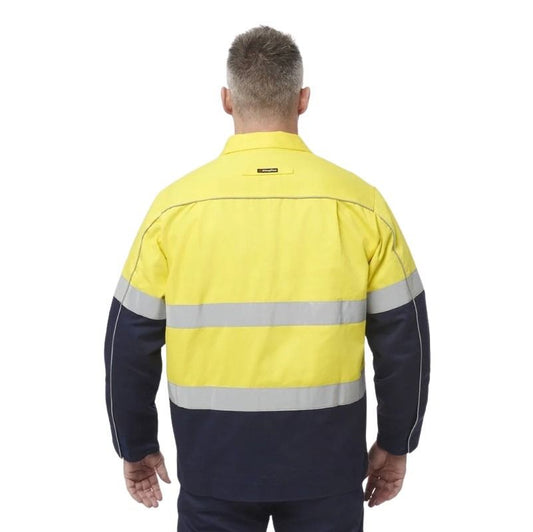
KingGee K55905 Reflective Spliced Drill Jacket
Regular price $153.95Regular priceUnit price per$173.95Sale price $153.95Sale -

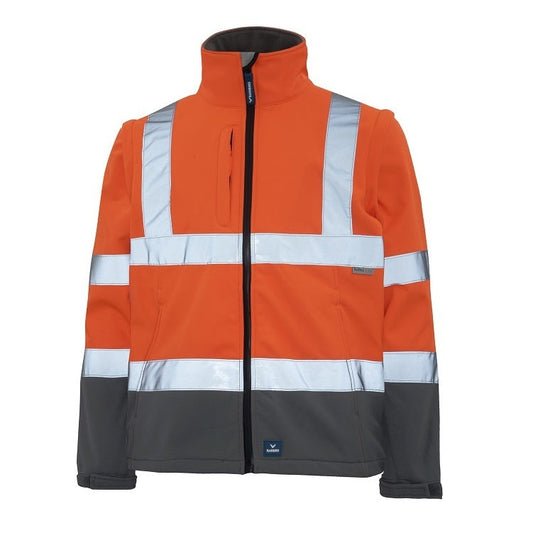
Rainbird 8430 Landy Soft Shell HiVis Jacket
Regular price $121.95Regular priceUnit price per$173.95Sale price $121.95Sale -

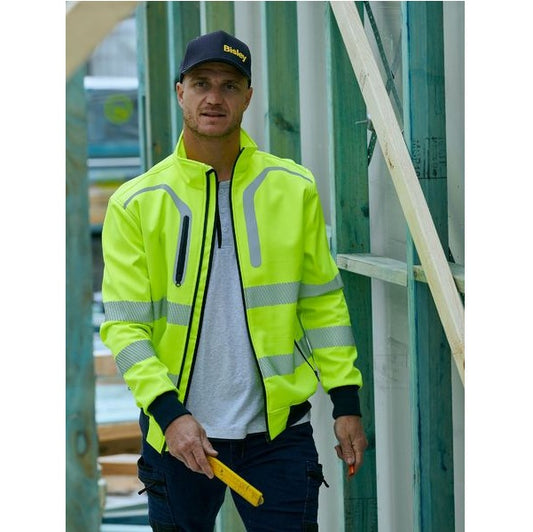
Bisley BJ6979T Taped HiVis Soft Shell Bomber Jacket
Regular price $92.95Regular priceUnit price per$118.95Sale price $92.95Sale -

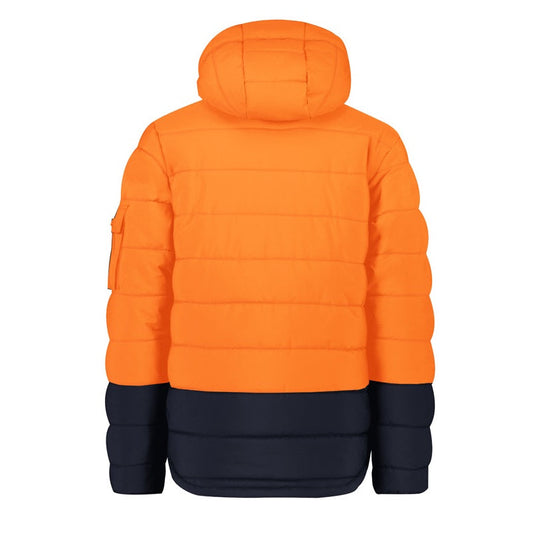
Syzmik ZJ240 Unisex Hi Vis Streetworx Hooded Puffer Jacket
Regular price $94.36Regular priceUnit price per$117.95Sale price $94.36Sale -

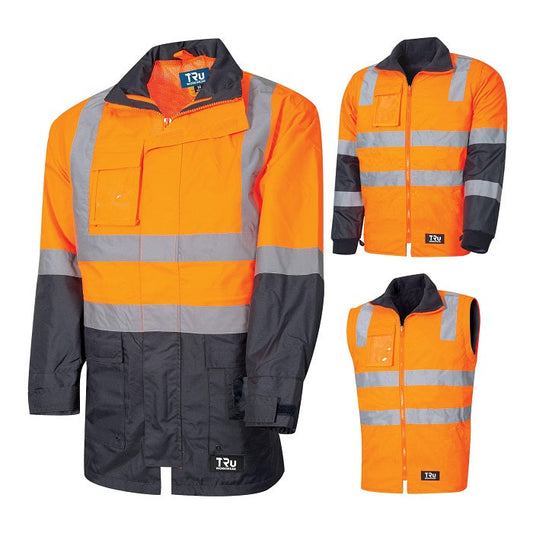
Tru Workwear TJ2920T6 6 In 1 Rain Jacket Combo With Truvis Reflective Tape
Regular price $168.95Regular priceUnit price per -

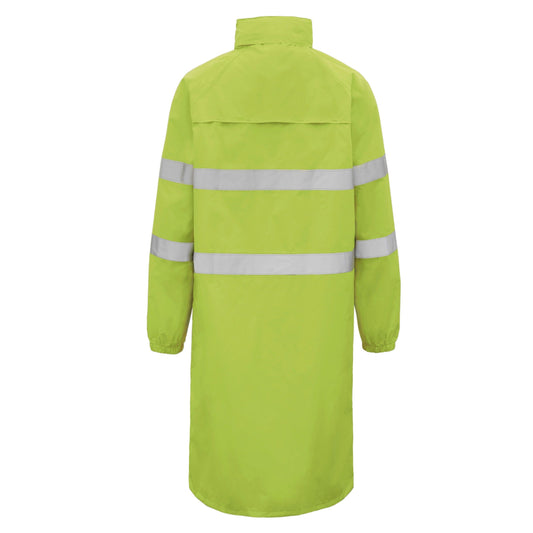
Rainbird 8670 Eales Long Jacket W/ Tape
Regular price $92.95Regular priceUnit price per$132.95Sale price $92.95Sale -

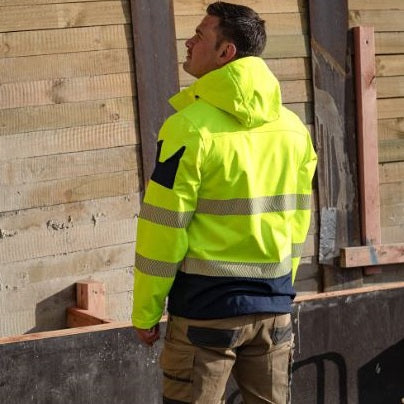
Rainbird 8634 Jones Mens Softshell Jacket
Regular price $157.95Regular priceUnit price per$224.95Sale price $157.95Sale -

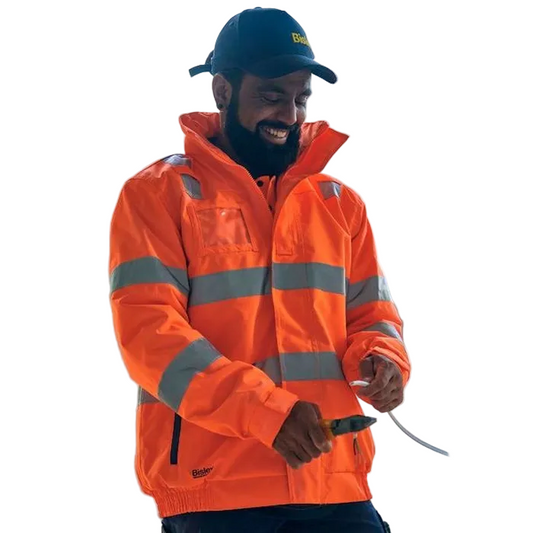
Bisley BJ6770T Taped HiVis Wet Weather Bomber Jacket
Regular price $76.95Regular priceUnit price per$97.95Sale price $76.95Sale -

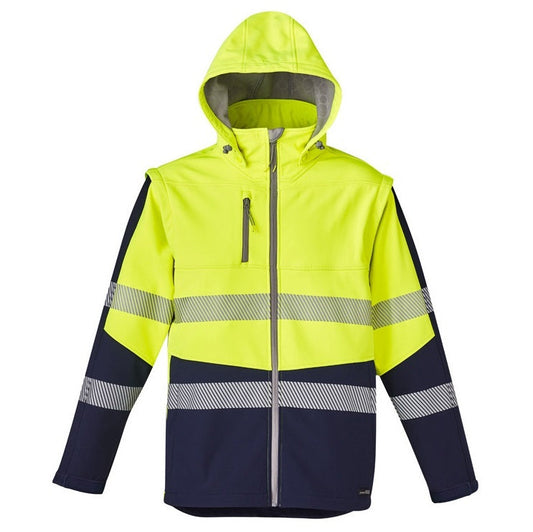
Syzmik ZJ453 Unisex 2-in-1 Stretch Softshell Taped Jacket
Regular price $107.95Regular priceUnit price per$129.95Sale price $107.95Sale -


Rainbird 8524 Shelter HiVis Mens Rain Jacket
Regular price $85.95Regular priceUnit price per$122.95Sale price $85.95Sale -

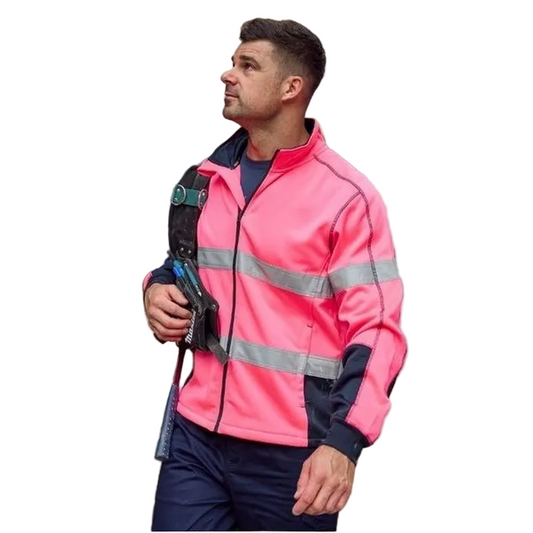
Bisley BK6611T Mens Taped Hi Vis Zip Front Fleece
Regular price $72.95Regular priceUnit price per$90.95Sale price $72.95Sale -

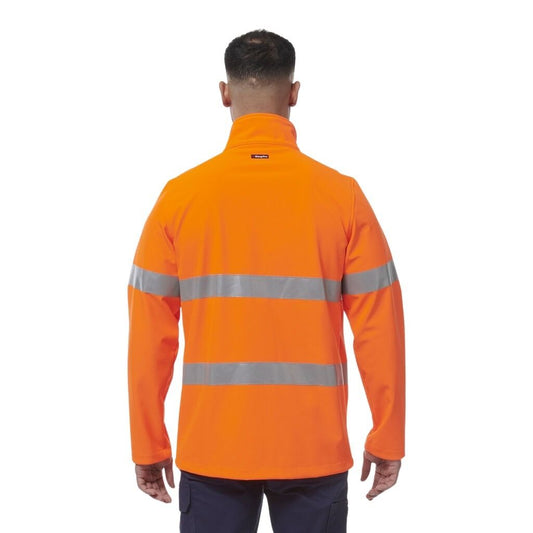
KingGee K55039 Reflective Softshell Jacket
Regular price $81.95Regular priceUnit price per$89.95Sale price $81.95Sale


Showing 25 of 95 products
Load moreCollapsible content
What is the difference between day and day/night Hi-Vis workwear and reflective tape patterns?
Day-use hi-vis workwear relies primarily on high-visibility fluorescent material to improve visibility during daylight conditions.
Day/night hi-vis garments also incorporate retroreflective tape, which reflects light back towards its source and helps make workers more visible in low-light and night-time environments.
Australian high-visibility safety garments are covered by standards including AS/NZS 4602.1, with retroreflective materials addressed by AS/NZS 1906.4.
Reflective tape is applied in specified configurations rather than simply being added as decoration. Different garment designs can include hoop, H-pattern and biomotion-style taping, depending on the garment and its intended application.
Biomotion designs place reflective material around moving parts of the body, such as the arms and legs, helping the worker's movement and human form to be recognised in low-light conditions.
The appropriate hi-vis classification and tape configuration depends on the work environment, lighting conditions, industry requirements and workplace risk assessment.
What do the different Hi-Vis colours mean?
Hi-Vis workwear commonly uses fluorescent yellow, orange, pink and green colours designed to provide strong contrast against the surrounding work environment during daylight conditions.
The most appropriate hi-vis colour can depend on the workplace, background environment, industry and site-specific requirements. A colour that provides strong visibility in one environment may not provide the same contrast in another.
Certain industries and worksites may also specify particular hi-vis colours as part of their uniform, safety or site entry requirements.
Rail, road, construction and other specialised work environments can have additional requirements that should be considered when selecting hi-vis clothing.
Colour alone does not determine whether a garment is suitable for a particular workplace. Workers should check the requirements of their specific industry, worksite or employer before purchasing if unsure. The garment's visibility classification, reflective tape configuration (if required), design and applicable Australian Standards should also be considered.
What is the difference between hoop, H-pattern and biomotion reflective tape?
Reflective tape patterns are designed to help improve worker visibility and can differ depending on the garment, work environment and applicable safety requirements.
Hoop tape generally refers to horizontal reflective tape positioned around the torso of a garment. H-pattern tape combines horizontal and vertical tape across the torso and shoulders, creating an H-shaped configuration when viewed on the garment.
Biomotion tape uses reflective material positioned to help identify the movement and shape of the human body, particularly around moving areas such as the arms and legs. This can help make worker movement more recognisable in low-light and night-time conditions.
Different industries, worksites and job roles may have specific requirements for hi-vis garments and reflective tape configurations. Garment specifications and workplace requirements should therefore be checked when selecting suitable hi-vis workwear.