
Dust Exposure Control & PAPR Systems
-

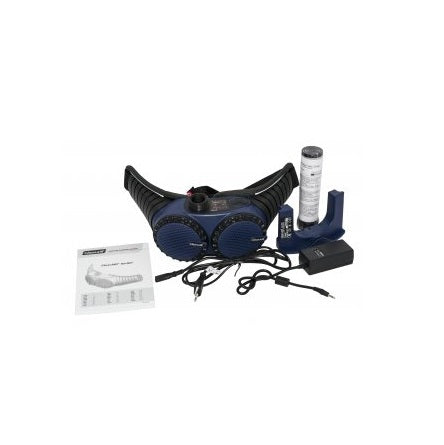
Maxisafe RCA544 CleanAIR Basic PAPR Unit
Regular price $1,464.95Regular priceUnit price per -

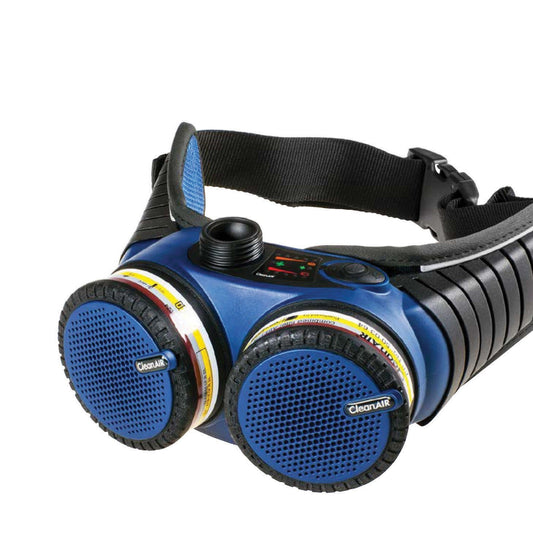
Maxisafe RPG540 Air Hood Face Shield with PAPR Unit
Regular price $2,039.95Regular priceUnit price per -

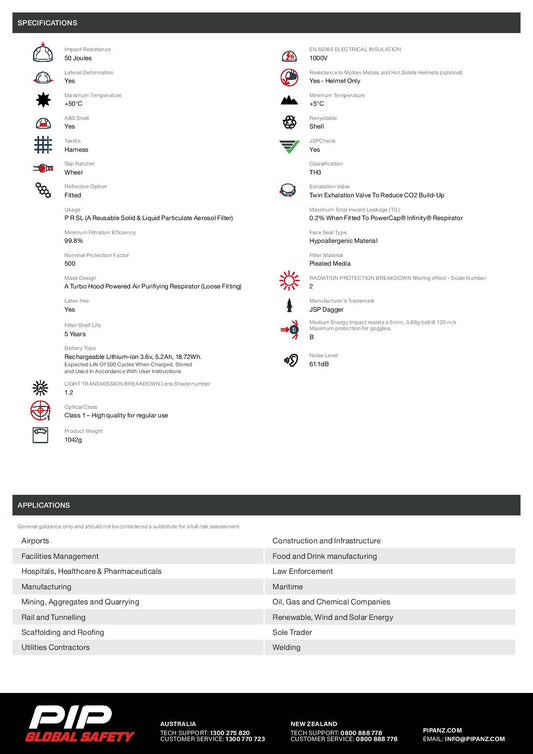
PIP CEA646-000-1AN Powercap Infinity PAPR Respirator W/ Helmet
Regular price $2,039.95Regular priceUnit price per -
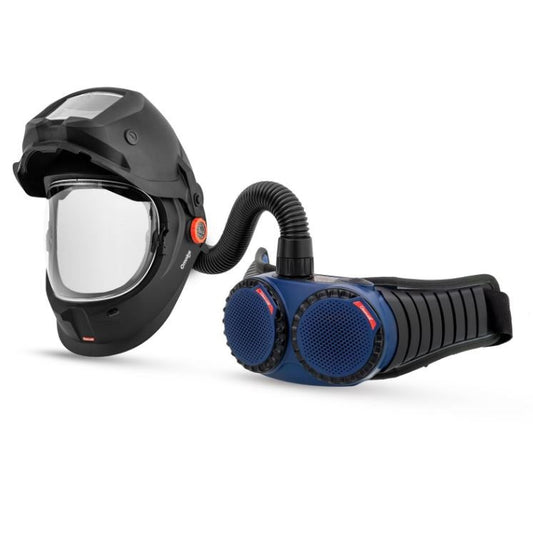
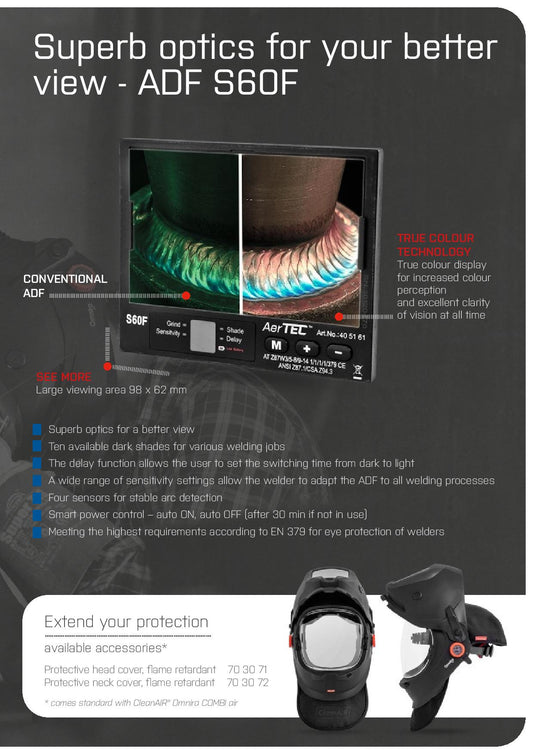
Maxisafe R303201 CleanAIR Omnira COMBI Welding Helmet & AerGO PAPR Kit
Regular price $3,073.95Regular priceUnit price per -
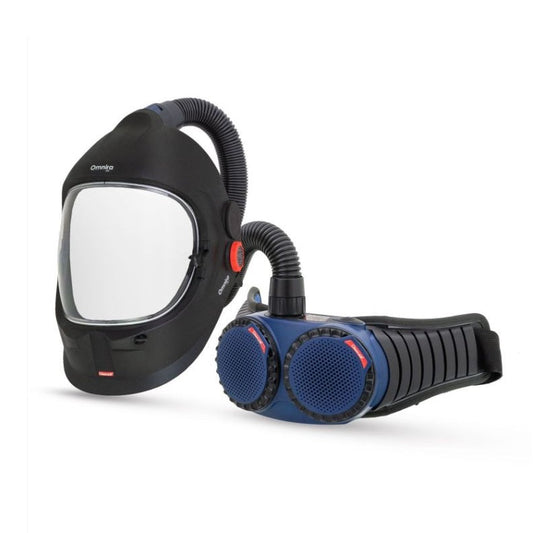
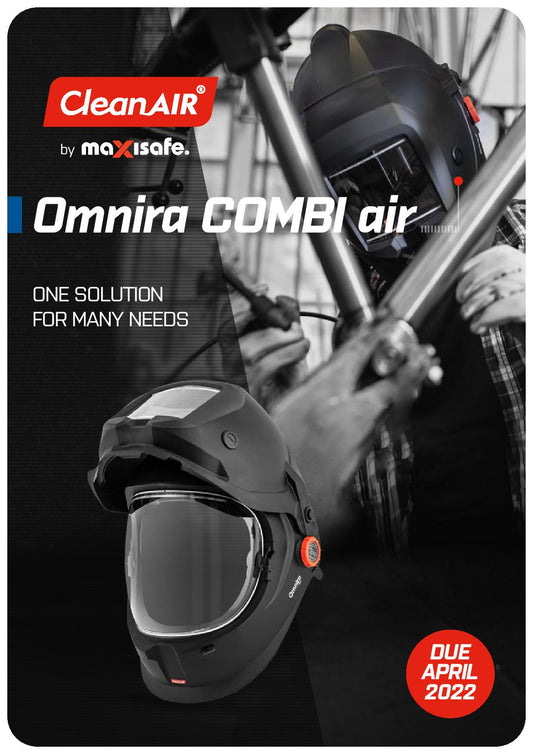
Maxisafe R303100 CleanAIR Omnira Face Shield & AerGO PAPR Kit
Regular price $2,651.95Regular priceUnit price per -

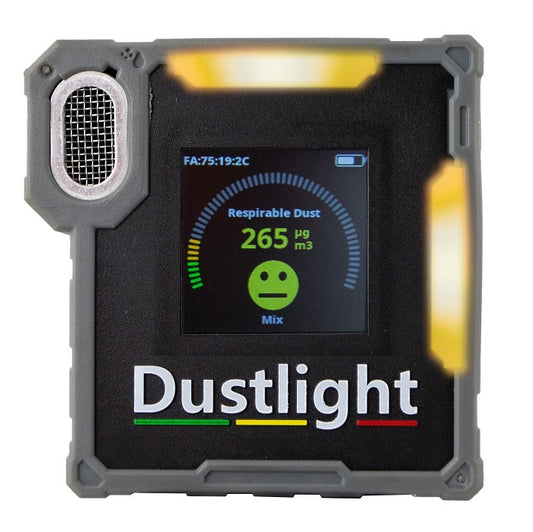
Maxisafe R23003.3 Dustlight Personal Dust Monitor
Regular price $1,606.95Regular priceUnit price per -

Maxisafe R23006.1 Dustlight Bracelet
Regular price $141.95Regular priceUnit price per -

Maxisafe R23008.1 Dustlight Chest Strap
Regular price $128.95Regular priceUnit price per -

Maxisafe R23007.1 Dustlight Clothing Fastener
Regular price $52.95Regular priceUnit price per -

Maxisafe R23004.1 Dustlight Leather Loop For Belt
Regular price $58.95Regular priceUnit price per


Workplace Dust Exposure Control, PAPR Systems & Dust Monitoring
Frequently Asked Questions
Can dust exposure and PAPR systems be purchased in store?
Specialised respiratory protection and dust exposure equipment can be supplied through At The Coalface Workwear and Safety in Chatswood, subject to product availability.
Because PAPR and dust monitoring systems can involve specialised components and application requirements, contacting the store before visiting is recommended when looking for a particular system, filter, headtop or accessory.
How do I choose a dust or respiratory protection system for a workplace?
Respiratory protection should be selected according to the identified airborne hazard, exposure level, task, workplace conditions and required level of protection.
The respirator, filters, headtop and other components should be compatible and suitable for the intended application. Workplace risk assessments, manufacturer instructions and applicable safety requirements should be considered before selecting respiratory protective equipment.
Can PAPR systems be used for welding?
Selected PAPR systems are designed to integrate respiratory protection with welding PPE. The current range includes a CleanAIR system combining an AerGO PAPR with an Omnira welding helmet.
Not every PAPR is designed for welding, so the complete system and its specifications should be checked for compatibility with the work being performed and the hazards present.
What is a personal dust monitor used for?
A personal dust monitor can help measure or provide information about a worker's exposure to airborne dust during workplace activities.
Dust monitoring equipment performs a different role from respiratory protective equipment. A dust monitor can assist with understanding exposure, while suitable respiratory protection is intended to reduce the wearer's exposure when correctly selected, fitted and used.
What is the difference between a PAPR system and a disposable respirator?
A PAPR is a powered respiratory protection system that uses a blower, appropriate filters and compatible headtop to supply filtered air. Disposable respirators are non-powered respiratory protective devices that rely on the wearer drawing air through the filtering material.
Neither type is universally suitable for every respiratory hazard. Selection depends on the contaminant, exposure level, work being performed and required level of respiratory protection.
What is a PAPR respirator?
A powered air-purifying respirator (PAPR) is a respiratory protection system that uses a powered unit to draw air through suitable filtration and supply filtered air to a compatible hood, helmet, face shield or other headtop.
PAPR systems vary in their design, filtration, protection level and intended applications. The complete system should be selected according to the workplace hazard, exposure assessment and manufacturer's specifications.